
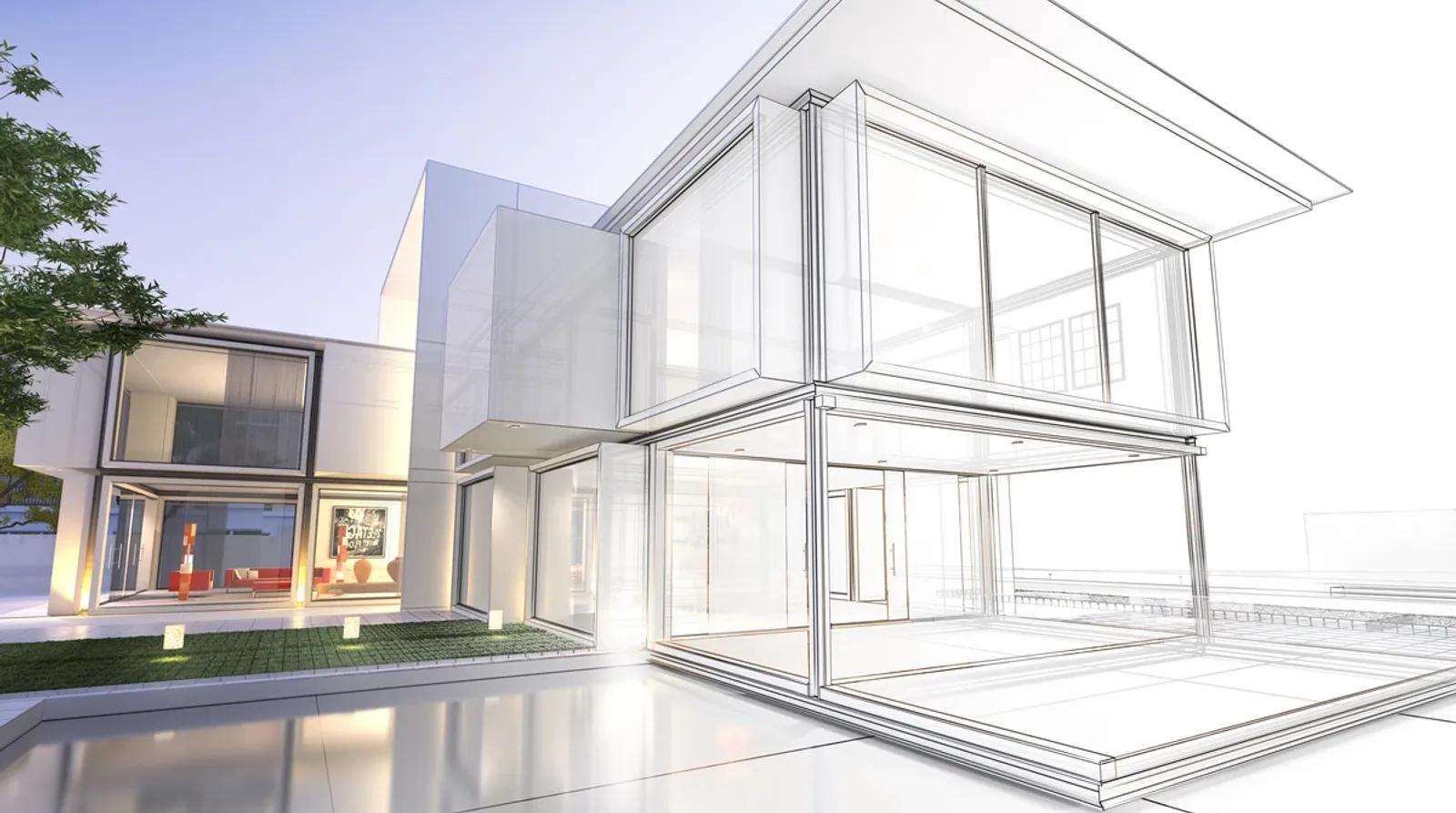
Renovating a villa in Dubai can completely change how a property looks, feels and functions. But renovation projects can also become expensive very quickly when the planning is rushed.
In many cases, the biggest problems are not caused by the construction itself. They come from decisions made before construction starts.
From beginning demolition too early to choosing a contractor based only on price, here are five common mistakes homeowners should avoid when planning a villa renovation in Dubai.
1. Starting Demolition Before the Design Is Finalised
One of the most common mistakes is starting demolition too early.
It can be tempting to begin removing walls, ceilings, bathrooms and flooring as soon as the decision to renovate is made. The problem is that demolition exposes the building before the architectural, structural and MEP design has been properly coordinated.
This can lead to questions such as:
Can this wall actually be removed?
Where will the new drainage line run?
Is there enough ceiling space for the new AC system?
Does the new layout affect structural columns or beams?
Will the proposed extension be permitted?
Does the electrical system have enough capacity?
These questions should ideally be answered before demolition starts.
The Dubai Building Code distinguishes between renovation, modification, reconstruction and additions to existing buildings, with different work potentially affecting different parts of the building.
How to Avoid This Mistake
Complete the main architectural layout first, then coordinate the structural and MEP requirements.
For a substantial renovation, demolition should begin only after the project team clearly understands what is being removed, what is being retained and what will replace it.
Good demolition is controlled demolition, not simply removing everything first and solving the problems later.
2. Choosing the Cheapest Contractor
Cost is naturally one of the biggest considerations in any villa renovation.
But choosing the lowest quotation without comparing the scope can create much higher costs later.
For example, one contractor may include:
Demolition and waste removal
Waterproofing
MEP works
Authority coordination
Structural modifications
Testing and commissioning
Final snagging
Another contractor may provide a much lower price but exclude several of these items.
The two quotations therefore cannot be compared simply by looking at the final number.
A low initial quotation can quickly grow through variations once construction begins.
How to Avoid This Mistake
Ask all contractors to price the same drawings, specifications and scope of work.
For larger projects, using a detailed Bill of Quantities (BOQ) makes comparison much easier.
Also review:
Contractor experience
Previous villa renovation projects
Project duration
Materials included
Exclusions
Payment schedule
Warranty
Site supervision
Variation procedure
The best contractor is not always the cheapest one. The better choice is normally the contractor who provides the clearest scope and demonstrates that they understand the project.
3. Spending on Finishes Before Fixing the Hidden Problems
Homeowners naturally focus on what they can see.
Tiles, marble, kitchens, lighting, wardrobes and bathrooms are exciting parts of a renovation.
But some of the most important parts of a villa are hidden behind the walls, above the ceilings and below the floors.
Older villas may have problems with:
Plumbing
Drainage
Waterproofing
Electrical wiring
AC systems
Roof insulation
Water tanks
Structural cracks
Previous undocumented modifications
Installing expensive finishes before addressing these problems can result in those finishes being removed again later.
Imagine installing a new bathroom only to discover a drainage problem underneath it, or completing a new ceiling before finding out that the AC ductwork needs to be replaced.
How to Avoid This Mistake
Carry out an existing-condition assessment before finalising the renovation budget.
For older villas, consider inspecting the structure, MEP systems, roof and waterproofing before investing heavily in cosmetic finishes.
Your renovation budget should prioritise the building's performance first and appearance second.
A beautiful villa is only successful if the systems behind the finishes work properly.
4. Making Too Many Changes During Construction
Changing your mind during a renovation is normal.
The problem begins when major decisions continue changing after the related work has already started.
For example, moving a kitchen after construction begins may affect:
Drainage
Water supply
Electrical points
AC
Lighting
Ceiling design
Flooring
Joinery
Appliances
A simple design change can therefore create changes across several different trades.
The same applies to moving bathrooms, changing staircase layouts, enlarging windows or changing room configurations.
Every major change during construction can affect both cost and programme.
How to Avoid This Mistake
Spend more time making decisions during the design stage.
Try to finalise the main layout, materials, kitchen, bathrooms, lighting and major equipment before their related construction work begins.
When a change is necessary, request confirmation of:
Additional cost
Additional time
Other works affected
Then approve the change in writing.
This creates a clear record and helps prevent unexpected variation costs at the end of the project.
5. Ignoring Approvals and Engineering Requirements
A villa belongs to the homeowner, but that does not mean every alteration can automatically be carried out.
Major modifications may affect planning requirements, structure, building services, fire and life safety requirements or community regulations.
For example, approval considerations may arise when:
Extending the villa
Changing the façade
Removing structural elements
Creating new openings
Adding rooms
Modifying major building services
Constructing or significantly modifying a swimming pool
Changing external structures
The Dubai Building Code applies to changes to existing buildings, including renovation, modification, reconstruction and additions. It also states that development control regulations and affection plans can govern matters such as authorised use, setbacks, building height and other plot-specific requirements.
Starting work first and asking about approvals later can result in delays, redesign or additional costs.
How to Avoid This Mistake
Before finalising the renovation, ask your consultant to identify:
Which authority controls the property
Whether master developer approval is required
Whether architectural approval is required
Whether structural calculations are required
Whether MEP approvals are required
Whether the proposed changes affect allowable built-up area or setbacks
Approvals should be part of the renovation plan, not an afterthought.
Bonus Mistake: Not Keeping a Contingency Budget
Villa renovation is different from constructing a completely new building.
You are working with an existing property, and some conditions remain hidden until construction begins.
Once ceilings, walls and floors are opened, unexpected issues may appear.
For this reason, homeowners should avoid spending the entire available budget on the original quotation.
Keeping a sensible contingency allows unexpected work to be dealt with properly without immediately compromising the rest of the renovation.
How to Reduce Problems During a Villa Renovation
A well-managed villa renovation normally follows a simple principle:
Investigate first, design second and construct third.
Before construction begins, you should ideally have:
A clear renovation scope
Existing-condition assessment
Agreed architectural layout
Structural assessment where required
Coordinated MEP drawings
Required approvals
Construction drawings
Detailed contractor quotation or BOQ
Material selections
Construction programme
Written contract
Contingency budget
The more decisions that are resolved before workers arrive on site, the easier it becomes to control the cost, programme and quality of the project.
A Better Renovation Starts With Better Decisions
Villa renovation is not only about changing how a home looks. It is an opportunity to improve how the property works, how comfortable it is to live in and how well it performs for years to come.
The best results usually come from making the important decisions early: understanding the existing villa, setting a realistic budget, coordinating the design properly and choosing the right team for the work.
If you are planning a villa renovation in Dubai, Nathan Engineering can help you assess the property, understand the renovation possibilities and develop a clear plan before construction begins.
Starting with the right information gives you much more control over the final cost, quality and outcome of the project.
Meta Title: 5 Villa Renovation Mistakes to Avoid in Dubai | Nathan Engineering
Meta Description: Planning a villa renovation in Dubai? Discover five common mistakes homeowners make, from starting demolition too early to choosing the wrong contractor and ignoring approvals.
Suggested URL: /villa-renovation-mistakes-dubai
Primary Keyword: villa renovation Dubai
Secondary Keywords: villa renovation mistakes Dubai, renovating villa in Dubai, villa renovation contractor Dubai, home renovation Dubai, villa renovation tips Dubai