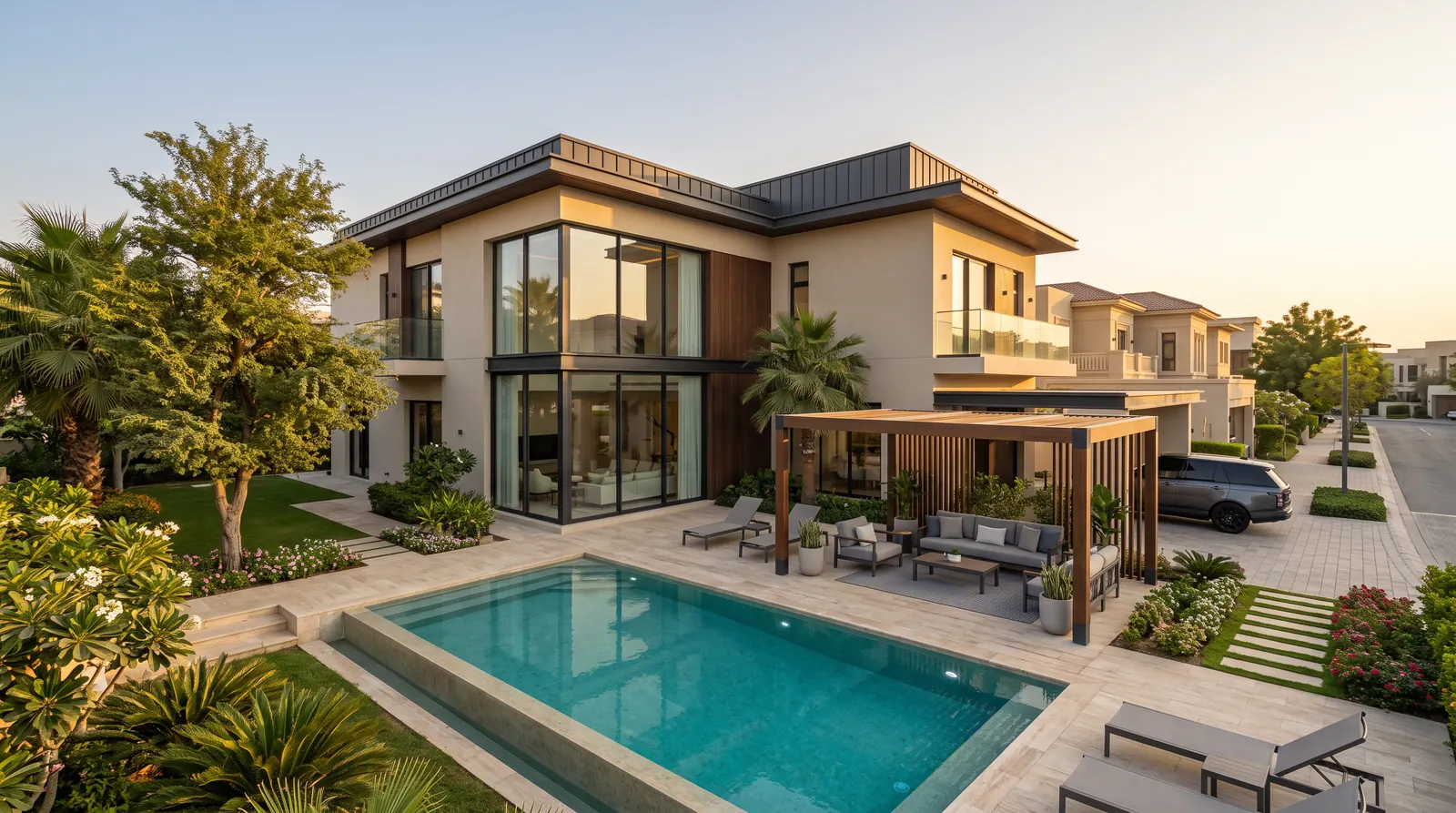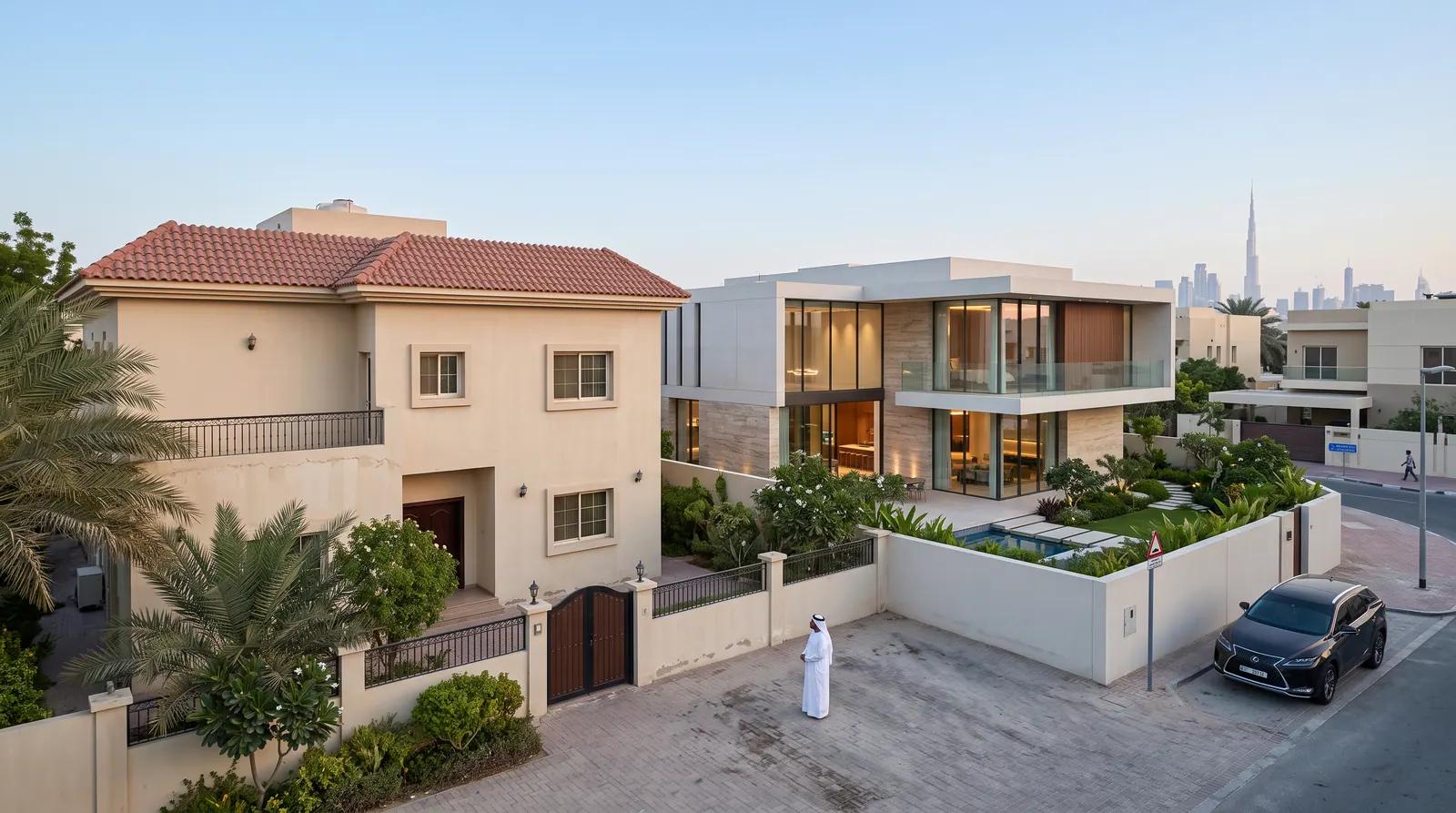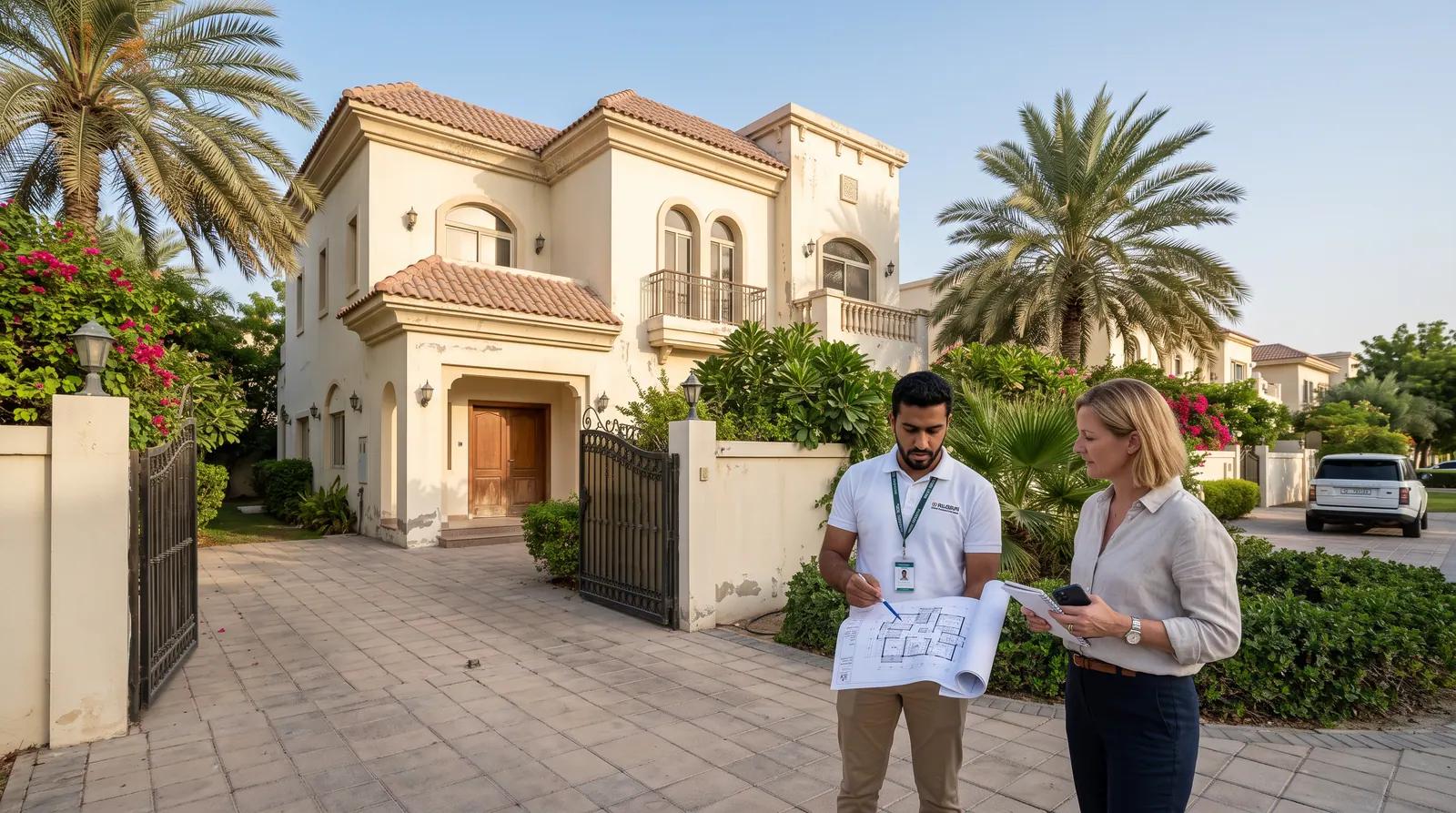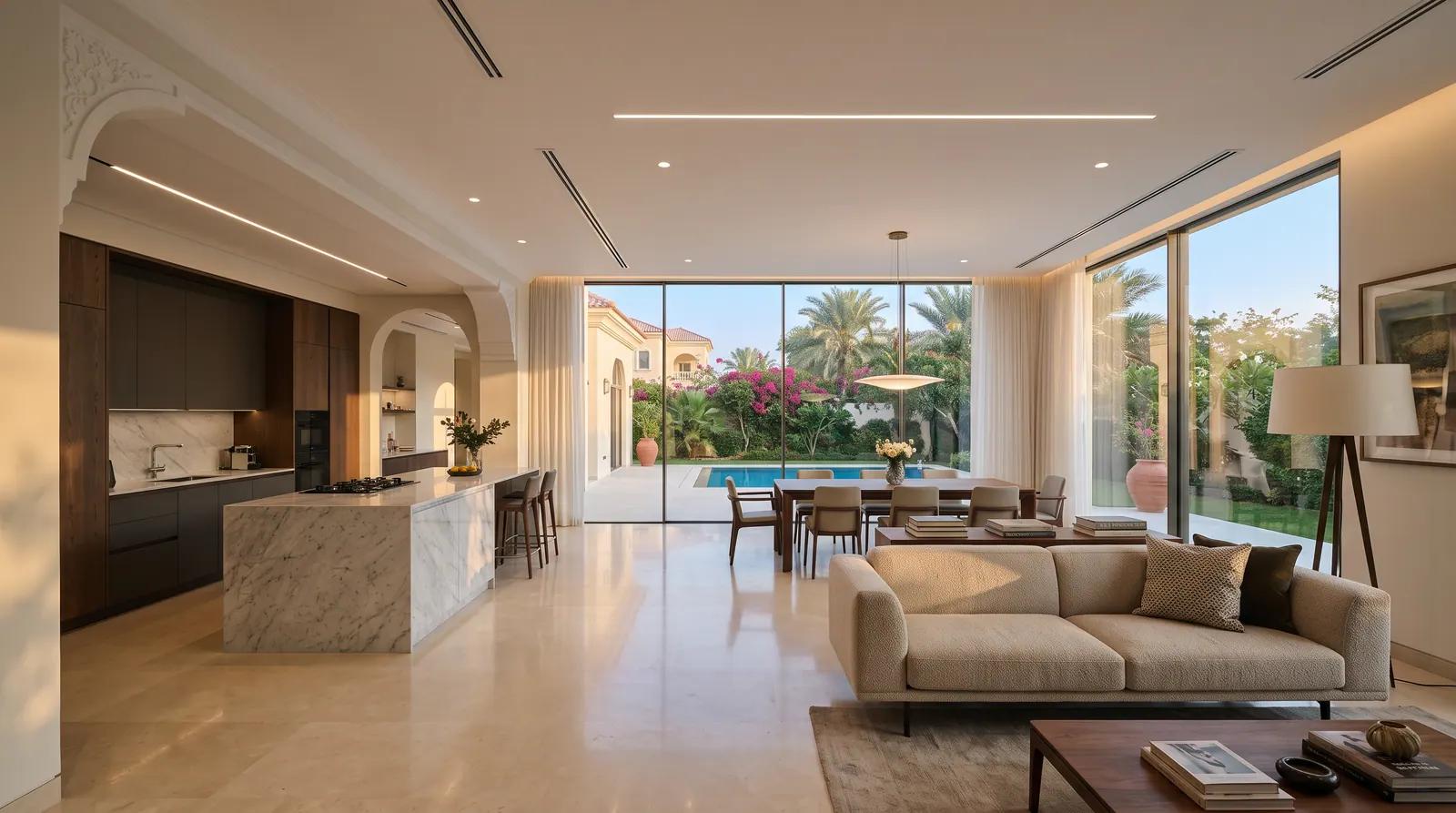
Ask three contractors how long a villa renovation will take and you may receive three very different answers. The problem is often that one person is counting only construction while another is including design, approvals, procurement, testing and snagging.
Current 2026 Dubai renovation guides commonly place cosmetic projects around one to two months, fuller renovations around three to six months, and large structural or luxury projects at four to eight months or longer. These are broad market guides, not guaranteed programmes.
A reliable timeline has to be built around your scope, property, approvals and procurement plan.
The Renovation Timeline Starts Before Demolition
Phase 1: Survey, Brief and Existing-Condition Review
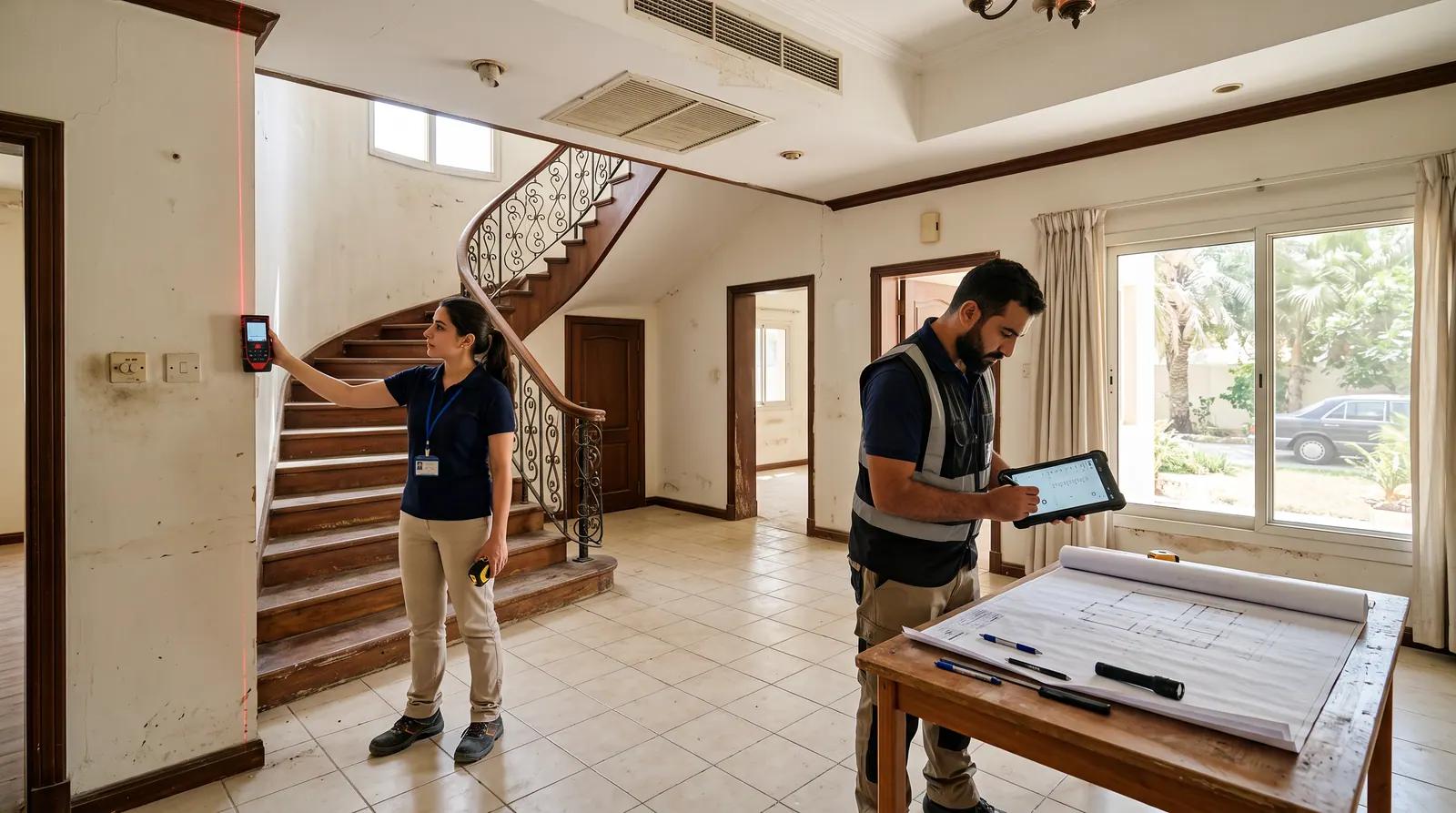
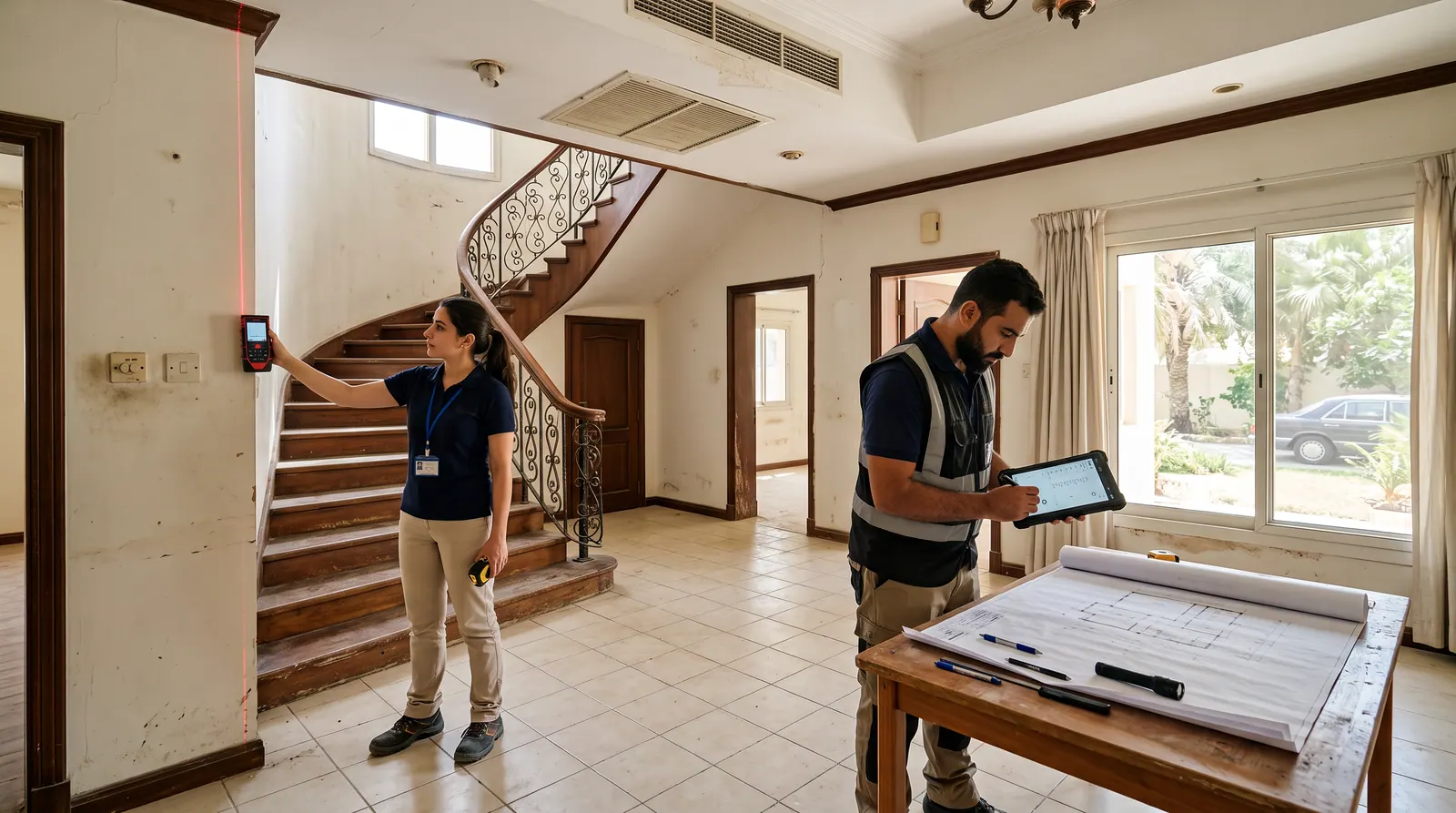
The first phase is understanding the villa, collecting drawings, surveying the property and identifying obvious structural or MEP constraints. Skipping this stage does not remove the work; it usually pushes the problem into construction.
Phase 2: Concept and Design Development
This is where the layout, façade, extension, structural changes, MEP strategy and material direction are developed. Major client decisions made here can save significant time later.
Phase 3: Authority and Community Approvals
The approval route depends on the property. Dubai Municipality publishes building permit procedures for residential villas, while DDA has building modification design and permit services within its jurisdiction. Some communities also require master-developer review.
Phase 4: Contractor Tender and Appointment
A rushed contractor appointment can save a week and cost months later. Allow enough time to compare scope, clarify exclusions, agree materials, negotiate the programme and finalise the contract.
Phase 5: Demolition and Structural Works
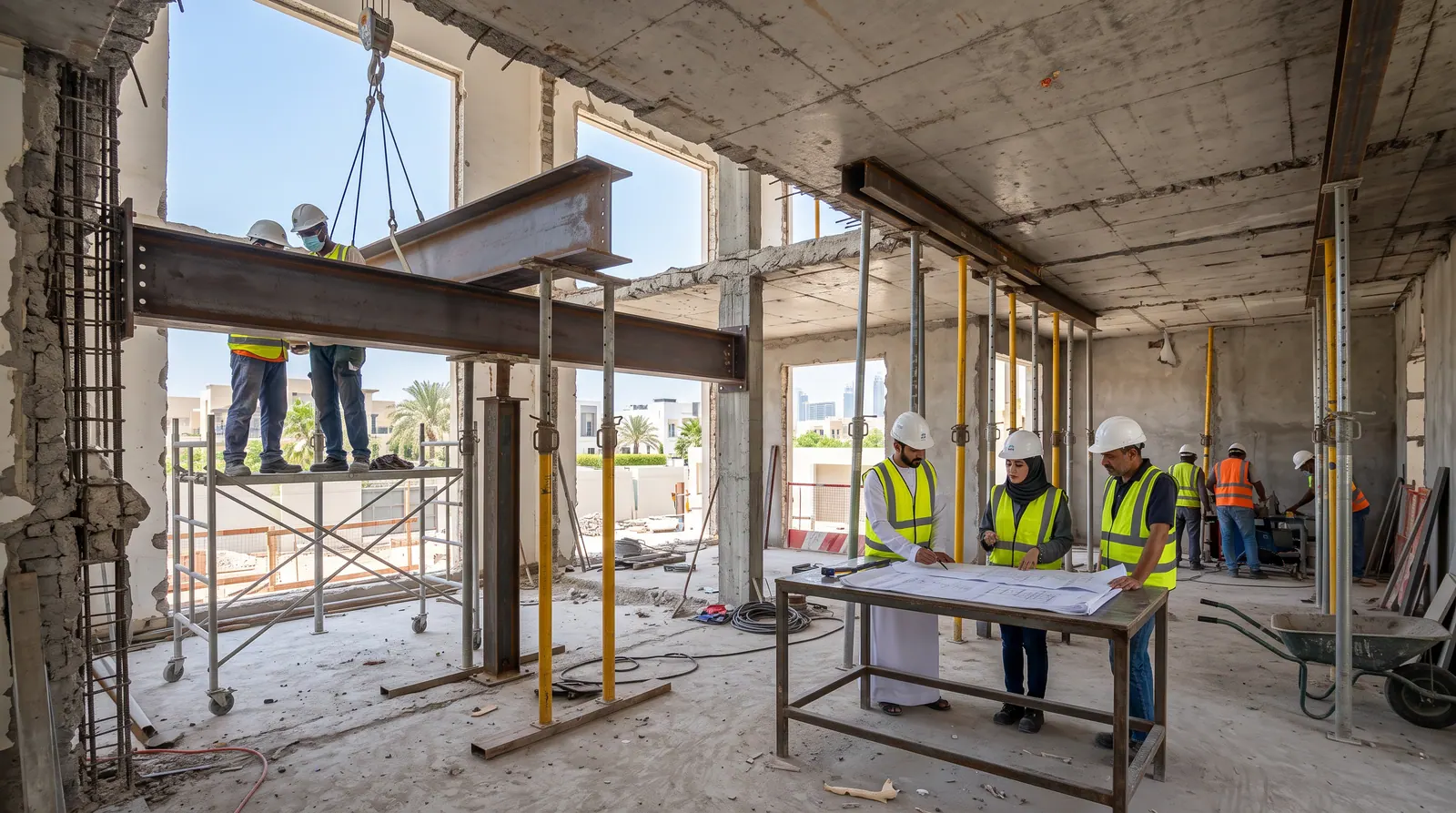
This phase exposes existing conditions. Structural modifications and extensions often determine the critical path because later MEP and finishes rely on them being complete.
Phase 6: MEP First Fix and Waterproofing
Electrical, plumbing, drainage and AC work needs to be coordinated before ceilings and finishes close the building again. Waterproofing should be completed and tested where required before final finishes are installed.
Phase 7: Finishes, Joinery and Second Fix
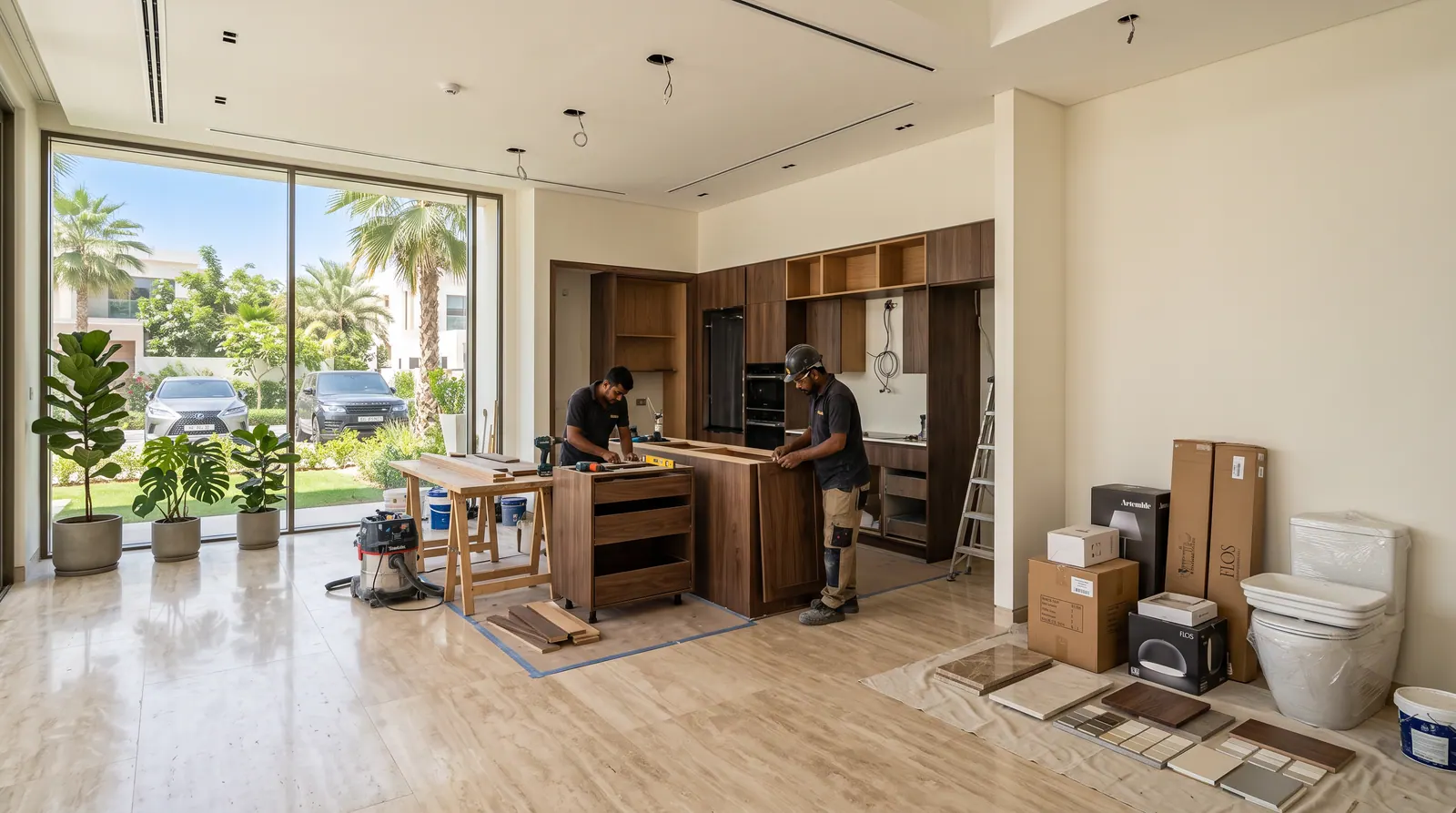
This is the most visible part of the project: ceilings, flooring, painting, kitchens, wardrobes, sanitaryware, lighting and final equipment. It can also be delayed by late material selections or long-lead joinery.
Phase 8: Testing, Snagging and Handover
A villa is not complete when the last tile is installed. Systems need testing, defects need snagging, final cleaning must be completed and documentation/close-out requirements addressed.
What Usually Causes Delays?
Major design changes after construction starts
Late material and sanitaryware selections
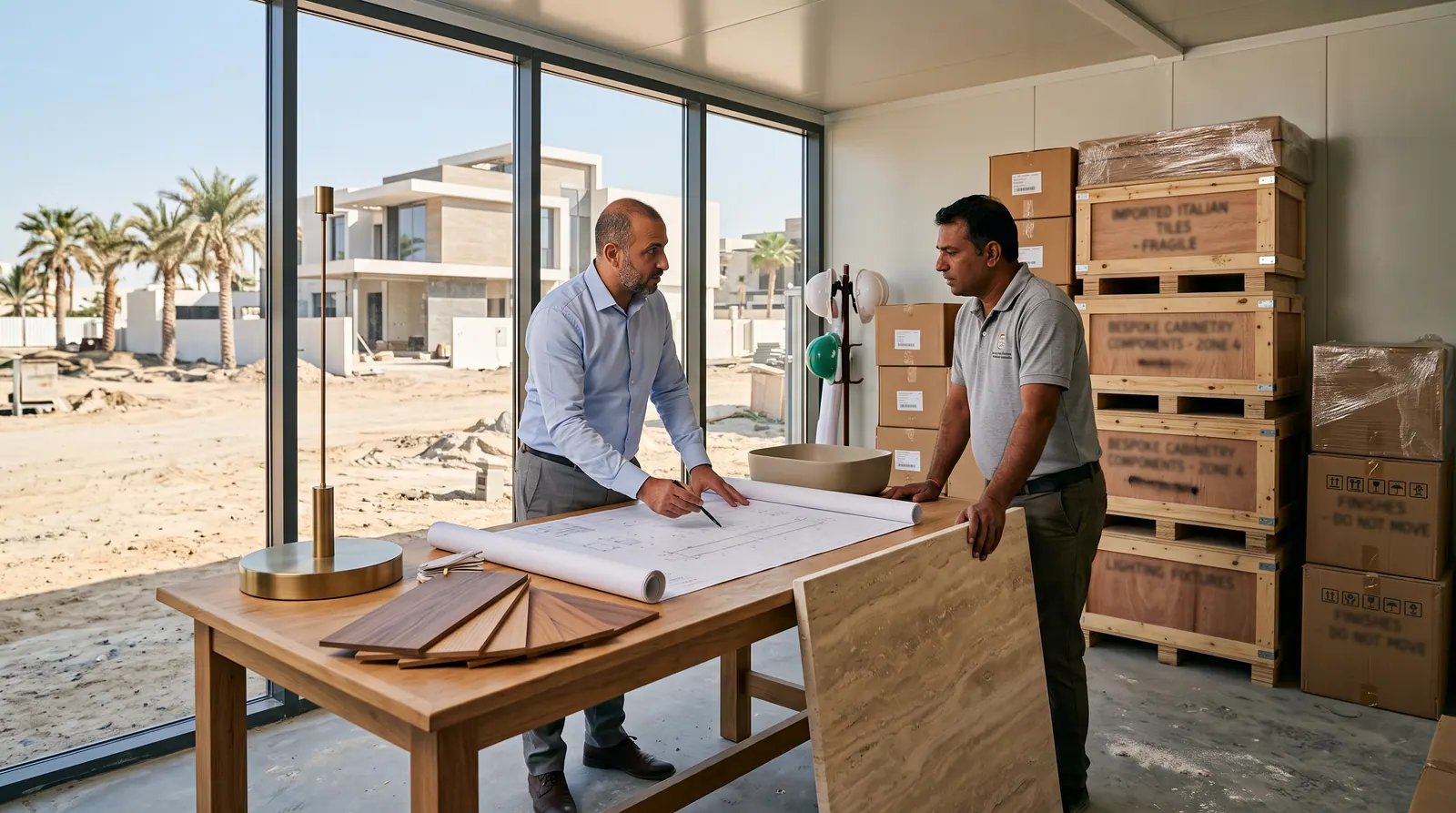
Imported materials or bespoke items with long lead times
Unexpected structural or MEP conditions
Approval comments requiring design revisions
Slow variation approvals
Poor coordination between civil, MEP and joinery teams
Starting work before drawings are sufficiently developed
Can Design and Approvals Run in Parallel?
Some activities can overlap depending on the project and submission strategy, but overlapping work only helps when decisions are sufficiently stable. Starting procurement or construction too early can create rework if the approved design changes.
How to Build a More Reliable Programme
Define the scope before agreeing the completion date.
Identify authority and community approvals early.
List long-lead materials before construction starts.
Freeze major layout decisions before demolition.
Link contractor payments to measurable progress.
Require a detailed construction programme rather than one completion date.
Track client decisions and variations as part of the programme.
| Project type | Indicative market planning range | Typical characteristics |
|---|---|---|
| Cosmetic refresh | Approx. 1-2 months | Limited structural/MEP changes |
| Full renovation | Approx. 3-6 months | Multiple rooms, finishes and significant MEP |
| Major structural / luxury renovation | Approx. 4-8+ months | Extensions, major structure, bespoke procurement, extensive external works |
Programme Reality
The fastest renovation is usually not the one that begins demolition first. It is the one that resolves the most important design, approval and procurement decisions before site work reaches them.
Plan the Whole Project, Not Just the Construction Period
If you need to move into the villa by a particular date, work backwards from handover and include design, approvals, tendering, procurement and snagging. A twelve-week construction promise is not a twelve-week project if four months of work must happen before construction can responsibly begin.
At Nathan Engineering, we recommend developing the programme alongside the design and scope so the client can see which decisions and approvals actually control the handover date.